Using versatile jump rope workouts and progressive overload principles.
Jumping rope is one of the most effective full-body workouts you can do, yet so many people overlook it in favor of expensive machines and complicated routines. All you really need is a good pair of shoes and a bit of open space. When you commit to jumping rope regularly, you build endurance, strengthen your lower body and improve coordination in ways that few other exercises match. The beauty of this simple activity lies in its versatility — you can adjust intensity, duration and technique to suit any fitness level. Whether you are a seasoned athlete looking for cardio that challenges without pounding your joints, or someone just starting a fitness journey, jump rope delivers results that speak for themselves.
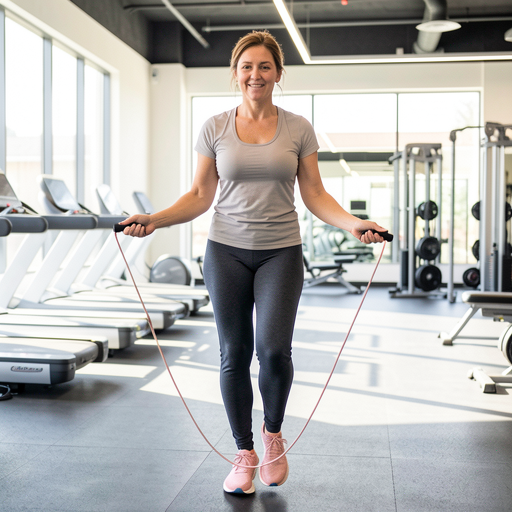
Before you begin, take a moment to set up your space and your equipment properly. A medium-length jump rope with ball bearings in the handles works well for most people and the cord should reach your armpits when you stand on the midpoint. Start with basic two-footed bounces, keeping your elbows close to your body and rotating the rope primarily from your wrists rather than swinging your arms.
👅
Land softly on the balls of your feet and keep the jumps low — just high enough for the rope to clear the ground. This efficient form protects your knees and ankles while maximizing the calorie-burning potential of each session. Many beginners make the mistake of jumping too high or too wide, which wastes energy and increases injury risk. Stick to controlled, compact movements and let the rhythm build naturally.
🌴
As your stamina improves, you can introduce variations that keep things interesting and push your skills further. Try alternating feet like a light jog, perform criss-cross arm movements, or practice double unders where the rope passes beneath you twice in a single jump. These techniques demand focus and timing, which means you are training both your cardiovascular system and your brain simultaneously. The mental engagement required to jump rope effectively is something that many traditional cardio exercises simply cannot provide. You stay present in the movement, tracking each skip and adjusting your form in real time. This mindful quality makes the workout feel less like a chore and more like a skill you are genuinely improving. Over time, you will notice sharper reflexes, better balance and a confidence that extends beyond the gym.
👌🏾
Consistency matters more than intensity when it comes to building lasting results from jump rope training. A well-structured jump rope workout can transform your fitness in as little as eight weeks. Aim for sessions that range from ten to thirty minutes, three or four times per week and gradually increase your duration as your legs and shoulders grow stronger. Pair your routine with proper warm-ups and cool-down stretches to protect your calves, hamstrings and shoulders.
👅
Track your progress by timing how long you can jump without stopping, or by counting the total skips in a set interval. These measurable milestones keep you motivated and give you a clear picture of where you stand. The investment of time and effort you put into learning to jump rope returns dividends in cardiovascular health, lean muscle tone and daily energy levels that extend well beyond the workout itself.